
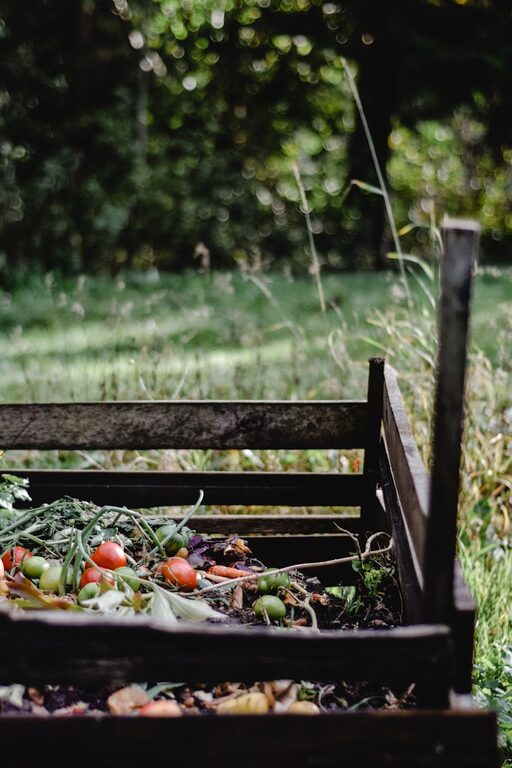
Composting at home is a wonderful way to reduce waste, enrich your garden soil, and contribute positively to the environment. If you’ve never composted before, it might seem a bit complicated, but with some simple tips, anyone can start a successful compost pile or bin. This guide will help beginners understand the basics of composting and how to get started right in your backyard or even indoors.
What Is Composting?
Composting is the natural process of recycling organic matter, such as food scraps and yard waste, into a valuable fertilizer that can enhance soil health. Instead of throwing these materials in the trash, composting turns them into nutrient-rich humus, which plants love.
Why Compost at Home?
– Reduces Waste: Food scraps and garden waste make up a significant portion of household garbage. Composting helps reduce the amount sent to landfills.
– Improves Soil: Compost enriches soil with important nutrients, improving plant growth and soil structure.
– Saves Money: Reduces the need to buy commercial fertilizers and soil conditioners.
– Supports Sustainability: Composting lowers methane emissions from landfills and contributes to a healthier environment.
Getting Started: What You’ll Need
Before you start composting, gather a few essentials:
– Compost bin or pile: Choose a bin with good ventilation or set up a dedicated compost pile.
– Balance of materials: Both “greens” (nitrogen-rich) and “browns” (carbon-rich) materials.
– Water: Moisture is necessary for decomposing microbes.
– Aeration tool: A garden fork or a compost aerator to turn the compost.
Choosing Your Composting Method
1. Compost Bin
If you prefer a neat, contained system, a compost bin is ideal. You can buy one or make your own using wood pallets, wire mesh, or plastic containers with drainage holes. Bins are great for small yards.
2. Compost Pile
Simply designate a corner of your yard for a compost heap. It requires no setup but may need more management to keep balanced.
3. Tumbler Compost Bin
A rotating tumbler makes aeration easy and speeds up composting. It’s suitable for those with limited space or who want faster results.
4. Indoor Composting
If you lack outdoor space, consider bokashi systems or worm composting (vermicomposting). These methods handle food scraps indoors effectively.
What Can You Compost?
Composting works best with the right mix of materials.
Greens (Nitrogen-rich)
– Fruit and vegetable scraps
– Coffee grounds and filters
– Tea bags (without synthetic materials)
– Fresh grass clippings
– Plant trimmings
Browns (Carbon-rich)
– Dry leaves
– Straw or hay
– Shredded newspaper and cardboard
– Sawdust (from untreated wood)
– Paper towels and napkins (unbleached)
Avoid Composting
– Meat, fish, bones
– Dairy products
– Oils and fats
– Diseased plants
– Pet waste
– Treated wood or synthetic materials
These items can attract pests, cause odors, or introduce harmful pathogens.
Step-by-Step Guide to Composting
- **Choose your spot:** Find a dry, shaded area with good drainage.
- **Layer your materials:** Start with a layer of coarse browns like twigs for aeration. Then alternate greens and browns in roughly equal amounts.
- **Maintain moisture:** The compost should feel like a damp sponge, neither too wet nor too dry.
- **Aerate regularly:** Turn your compost every 1-2 weeks to add oxygen and speed decomposition.
- **Monitor:** Compost will heat up as microbes break down materials. This is a good sign.
- **Wait:** Depending on conditions, compost can be ready in 2 months to a year.
- **Harvest:** Finished compost is dark, crumbly, and smells earthy. Use it to enrich potting mix, garden beds, or as mulch.
Tips for Success
– Chop or shred materials to speed up breakdown.
– Avoid adding too many greens at once to prevent odors.
– Use a compost thermometer to keep track of temperature (ideal: 130–160°F).
– Cover the pile with a tarp to retain moisture and heat, especially in dry or cold weather.
– Keep pets and pests out by enclosing bins securely or using mesh.
Troubleshooting Common Problems
| Problem | Cause | Solution |
|——————-|—————————-|————————————-|
| Foul odors | Too much green or wet | Add more brown materials; turn pile |
| Slow decomposition| Not enough air or moisture | Turn pile regularly; water if dry |
| Attracting pests | Food scraps like meat/fat | Remove problematic items; secure bin|
| Dry pile | Lack of moisture | Add water and fresh greens |
Final Thoughts
Starting a compost at home is an easy and rewarding step toward environmental responsibility. With patience and care, you’ll transform everyday waste into a valuable resource for growing healthier plants. Whether you have a sprawling garden or a small balcony, there’s a composting method that fits your space and lifestyle. Happy composting!
—
By following these beginner tips, you’ll soon enjoy the many benefits of composting while contributing to a greener planet. Why not start today?