
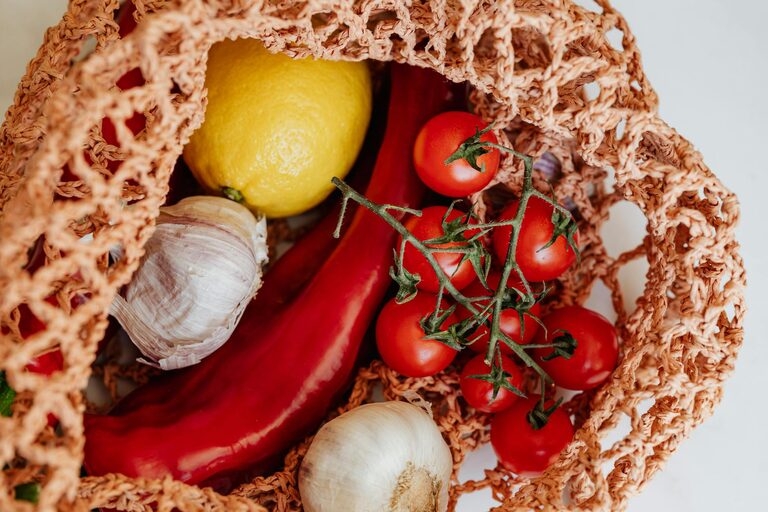
Reducing food waste at home benefits not just your wallet but also the environment. With millions of tons of food discarded globally each year, small changes in our daily habits can make a significant impact. Whether you’re cooking for one or a family, these practical tips will help you use your food more efficiently and reduce waste.
Why Reducing Food Waste Matters
Food waste contributes to environmental problems like greenhouse gas emissions and unnecessary resource use. When food is thrown away, the water, energy, and labor used to produce it go to waste. By cutting back on food waste, you can:
– Save money by buying and using only what you need
– Lower your environmental footprint
– Encourage better food habits in your household
Plan Wisely Before You Shop
Make a Weekly Meal Plan
Planning your meals ahead lets you buy only what you need. Take inventory of what’s already in your pantry and fridge before heading to the store. This avoids duplicate purchases and forgotten items.
Create a Shopping List and Stick to It
Write a detailed list based on your meal plan and budget. Avoid impulse buys that may spoil if not used quickly. Using apps that help track your list can be handy.
Smart Storage Techniques
Understand Proper Food Storage
Storing food correctly extends its shelf life. For example:
– Keep leafy greens in a container with a paper towel to absorb humidity.
– Store bread in a cool, dry place or freeze it if you won’t use it soon.
– Use airtight containers to keep leftovers fresh longer.
First In, First Out (FIFO) Method
Organize your fridge and pantry so older items are in front and used first. This simple system prevents products from expiring unnoticed.
Use Leftovers Creatively
Repurpose Leftovers
Turn leftovers into new meals instead of discarding them. For example:
– Use roasted vegetables in soups or salads
– Make sandwiches or wraps from cooked meat
– Blend overripe fruits into smoothies or baked goods
Freeze Excess Food
If you cook in bulk or buy produce in season, freeze extras in portioned containers. Frozen foods can last weeks or months and reduce spoilage.
Track and Monitor Waste
Keeping a small notebook or using an app to note what food you throw away can reveal patterns. Are you buying too much bread? Letting milk go bad? This knowledge helps adjust future shopping and meal plans.
Shop Smart and Choose Wisely
Buy Smaller Quantities
Instead of purchasing large packages, buy what you realistically will consume before spoilage. Farmers’ markets and local stores often offer loose produce, helping you avoid excess.
Opt for Ugly or Imperfect Produce
Many supermarkets discount or donate “ugly” fruits and vegetables that are still perfectly edible. Choosing these helps reduce overall waste and supports sustainable purchasing.
Compost Food Scraps
Not all food scraps need to go in the trash. Composting is an environmentally friendly way to dispose of vegetable peelings, coffee grounds, and eggshells. It creates nutrient-rich soil for gardens.
– Start a small compost bin in your backyard or use an indoor compost container.
– Learn what can and cannot be composted to avoid pests and odors.
Educate Your Household
Involving everyone in reducing food waste makes it easier and more fun.
– Teach children about the importance of food conservation.
– Share meal plans and cooking tasks.
– Celebrate efforts and successes together.
Be Mindful When Dining Out
Though this focuses on home, reducing food waste also means:
– Ordering reasonable portions
– Taking leftovers home in containers
– Avoiding all-you-can-eat buffets unless you’re sure you can finish the food
Conclusion
Reducing food waste at home requires a combination of planning, smart shopping, and creative cooking. By adopting these practical methods, you not only save money but contribute positively to the planet’s health. Start small, be consistent, and watch your food waste shrink.
Every effort counts and can inspire others to do the same. Together, we can create a more sustainable and enjoyable eating environment at home.