
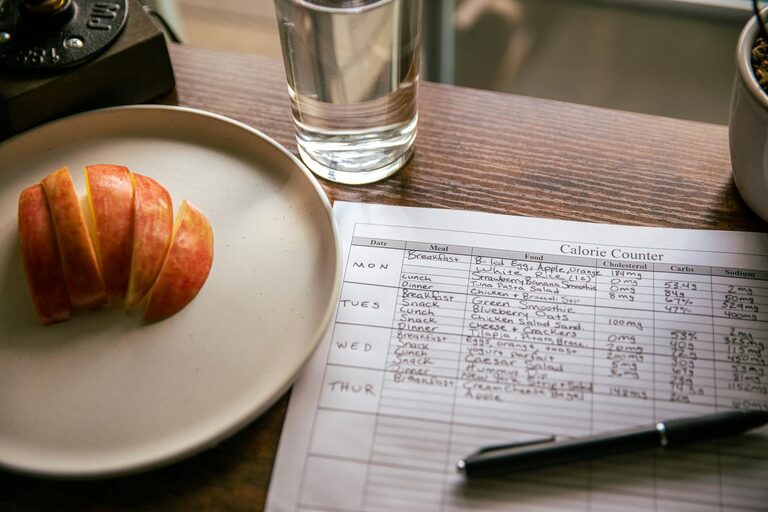
Planning your meals ahead of time can transform your weekly routine. It helps you save time, reduce food waste, and eat healthier. If you’re new to meal planning or looking for a straightforward approach, this guide will walk you through creating a simple weekly meal plan that fits your lifestyle.
Why Create a Weekly Meal Plan?
Meal planning offers several benefits:
– Saves time: Knowing what to cook each day means fewer last-minute decisions and less grocery shopping trips.
– Reduces stress: You avoid scrambling to figure out meals.
– Supports healthy eating: Planning helps include balanced meals and control portions.
– Cuts food waste: Buying only what you need limits spoilage.
– Saves money: Prevents overspending on takeout or impulse buys.
Getting Started: What You Need
Before you begin, gather these basics:
– A notebook, planner, or meal planning app
– Your calendar or schedule for the week
– Pantry and fridge inventory
– Favorite recipes or go-to meals list
– A grocery list template
Step 1: Assess Your Week Ahead
Look at your upcoming schedule and figure out how many meals you need to plan. Consider:
– How many people you’re cooking for
– Any social events or meals out planned
– Days when you’re short on time for cooking
Knowing this helps you decide when to cook big meals, prepare leftovers, or choose quick recipes.
Step 2: Choose Your Meals
Aim for a mix of breakfast, lunch, and dinner ideas, including snacks if you like. Keep it simple by selecting meals you already enjoy or easy new recipes. Here are a few tips:
– Pick meals that share ingredients to save money and cut waste.
– Include at least one vegetarian or plant-based meal for variety.
– Plan for leftovers by doubling recipes when possible.
– Use simple cooking methods like sheet pan meals, slow cooker dishes, or stir-fries.
Sample Meal Ideas
– Breakfast: Overnight oats, scrambled eggs with toast, smoothie bowls
– Lunch: Salad with grilled chicken, quinoa bowl, sandwich and soup
– Dinner: Baked salmon with veggies, pasta with marinara sauce, stir-fried tofu with rice
Step 3: Create Your Meal Plan Template
Set up a simple table or chart for the week with columns for days and rows for meals. Fill it in with your chosen dishes.
| Day | Breakfast | Lunch | Dinner |
|———–|———————|———————|———————-|
| Monday | Overnight oats | Chicken salad | Baked salmon & veg |
| Tuesday | Smoothie bowl | Sandwich & soup | Stir-fry with tofu |
| Wednesday | Scrambled eggs | Quinoa bowl | Pasta marinara |
| … | … | … | … |
This visual makes it easy to stay organized.
Step 4: Make a Detailed Grocery List
Review the recipes and list all ingredients you need, checking off what you already have. Organize the list by grocery store sections such as produce, dairy, pantry, and meat to make shopping quicker.
Step 5: Prep in Advance
Spend some time prepping to make weekdays easier:
– Wash and chop vegetables
– Cook grains or proteins in bulk
– Portion out snacks or lunches
– Marinate meats if needed
Prepping saves time and helps you stick to your plan.
Step 6: Stay Flexible
Life happens, so it’s okay to switch meals or swap days around. Keep easy backup meals like frozen veggies and pasta or canned beans on hand for last-minute changes.
Tips for Successful Weekly Meal Planning
– Start small: Plan just dinners or two meals a day until you get used to it.
– Use leftovers creatively to reduce cooking days.
– Keep your favorite quick recipes handy.
– Plan meals that fit your cooking skill level.
– Involve family members in meal choices to increase excitement.
Conclusion
Creating a simple weekly meal plan doesn’t have to be complicated or time-consuming. By assessing your schedule, choosing easy meals, prepping ahead, and staying flexible, you can enjoy stress-free cooking and healthier meals all week long. Give it a try this week and see how much smoother mealtime becomes!
—
Feel free to share your meal planning tips and favorite recipes in the comments below!